Multivitamins
Multivitamins for dogs and cats: a guide
PRODUCTS
Just like humans, dogs and cats also need an adequate supply of vitamins to enjoy optimal health. It can be said that vitamins are the basis of life itself. Many are physiologically present in the body but can become deficient in stressful situations.
Since a deficiency can affect the health of the entire organism, with serious consequences, it is advisable to always ensure that your pets receive an optimal supply of vitamins by providing them with a healthy, balanced diet and possible supplementation with specific multivitamin products for dogs and cats.
Vitamins for dogs and cats: when are they necessary?
Dogs and cats may need vitamin supplementation in many circumstances, including:
- sport, work and intense physical exertion
- ageing and senescence
- young growing individuals
- pregnancy and breastfeeding
- anorexia and lack of appetite
- pathological conditions, e.g. inflammatory bowel disease (IBD), exocrine pancreatic insufficiency (EPI), liver disease, chronic renal failure (CRI), chronic heart failure (CCI)
- surgery, e.g. gastrectomy
- drug therapies, e.g. diuretics and antibiotics
- integration of homemade diet.
Homemade diet: is vitamin supplementation necessary?
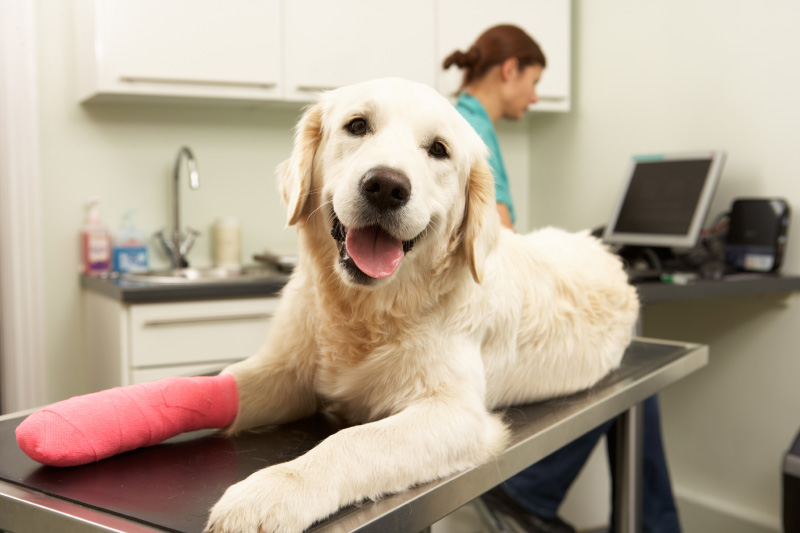
Animals who are fed a homemade diet require vitamin (and mineral, as well) supplementation, which, however, must be appropriate to the diet. Unfortunately, most homemade diets prepared by pet owners without prior veterinary consultation are not complete and properly balanced. A survey carried out in 2013 (Stockman, Fascetti, Kass, Larsen, “Evaluation of recipes of home-prepared maintenance diets for dogs”, Journal of the American Veterinary Medical Association, 2013) showed that, out of 200 recipes analysed, only 9 met the nutritional standards set by international guidelines and were able to provide adequate amounts of all essential nutrients. The survey also showed that 83% of the diets were deficient in more than one essential nutrient to the animal’s well-being.
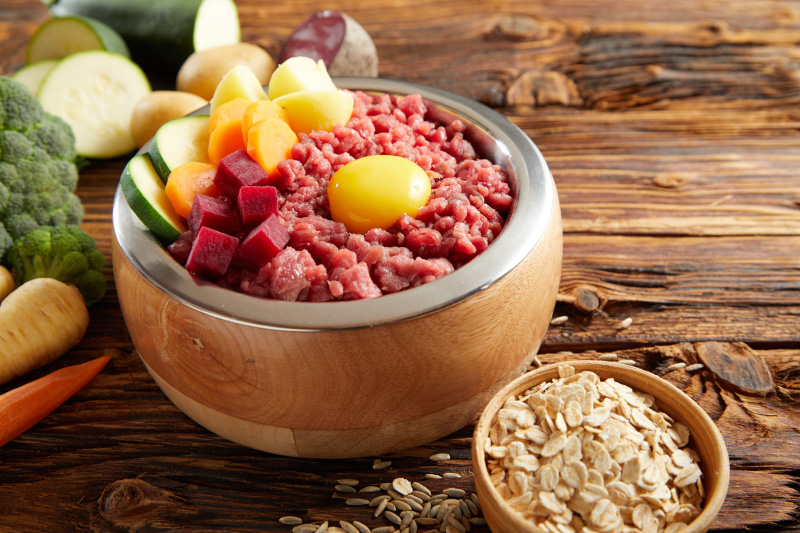
The most common and most dangerous nutritional imbalances involve vitamins and minerals in which most homemade diets, generally consisting of meat or fish with added grains, vegetables and oils, are deficient.
This does not necessarily mean that commercial diets are better and to be preferred to home diets. However, if pet owners decide to opt for a homemade diet and cook for their pets, it is necessary to consult veterinarian, preferably an expert in nutrition, who is able to prepare correctly balanced diets that preserve and support the animal’s health.
What are the consequences of vitamin deficiency?
Vitamin deficiencies can be either acute or subclinical. Over time, they can lead to metabolic dysfunctions that may cause a variety of diseases, including some that are not directly attributable to avitaminosis.

What vitamins do dogs and cats need?
Vitamins are divided into two groups: water-soluble and fat-soluble.
Fat-soluble vitamins, which have this name because they can dissolve in fat, can be accumulated in the body, especially in the liver and adipose tissue. Their absorption in the gastrointestinal tract is facilitated by the presence of lipids.
This group includes:
- Vitamin A
- Vitamin D
- Vitamin K.
Water-soluble vitamins, so called because of their high solubility in water, differ from fat-soluble vitamins in that they do not require the presence of lipids in the gastrointestinal tract to be absorbed. Also, they are used up more quickly as they are not accumulated in the body and are easily excreted with urine. As a consequence, their deficiency is more common.
This group includes:
- B vitamins
- Vitamin C.
B vitamins
All vitamins belonging to this group are essential for pets and they must be consumed through the diet to meet their requirements. B vitamins have multiple functions in the body: they play a well-known and key role in glucose, lipid and protein metabolism and in the proper functioning of cellular mechanisms for energy production. For this reason, their proper intake should never be neglected. Given the close interdependence between B vitamins, a deficiency or increased need for one of them can adversely affect the balance of the entire group, which is why supplementation of all B vitamins rather than just one is always advisable. In situations of stress or more or less intense work, the need for B vitamins can increase by two to five times. In these cases, a decrease of the level of these vitamins in the blood can lead to a weaker immune system (e.g. decreased antibody production), as all B vitamins – along with C and D vitamins – are involved in immunological processes. Certain pathological conditions (e.g. intestinal malabsorption, chronic kidney disease, etc.) and pharmacological treatments (with diuretics such as furosemide, with antibiotics, etc.) can also cause a depletion of B vitamins. As they cannot be stored as reserves, it is essential that their intake is continuous and quantitatively adequate. Therefore, B vitamins should always be supplemented in stressful situations.
Vitamin B1
(Thiamine)
Vitamin B2
(Riboflavin)
It is present in the body in the form of flavin mononucleotide (FMN) and flavin adenine dinucleotide (FAD), coenzymes involved in numerous metabolic pathways, including the synthesis and catabolism of amino acids, fatty acids and carbohydrates. Adequate intake of vitamin B2 and zinc is essential to counteract muscular lactic acidosis. Vitamin B2deficiency leads to severe alterations in normal cell trophism, and, in dogs and cats, it can cause the appearance of non-specific symptoms such as anorexia, weight loss, weakness, dermatitis and eye lesions (e.g. cataracts).
Vitamin B6
(Pyridoxine, Pyridoxal, Pyridoxamine)
The name Vitamin B6 refers to Pyridoxine, Pyridoxal and Pyridoxamine. These are all precursors of the coenzyme pyridoxal phosphate (PLP), which is involved in transamination, deamination and decarboxylation reactions and is essential for the metabolism of proteins, fatty acids and carbohydrates. Vitamin B6 deficiency leads to dermatitis, anaemia, neuritis with demyelination of peripheral nerves and epileptiform convulsions.
Vitamin PP
(Niacin)
Niacin exerts its biological activity in the form of the coenzymes nicotinamide adenine dinucleotide (NAD+) and nicotinamide adenine dinucleotide phosphate (NADP+). It plays an important role in mitochondrial respiration and is crucial for the metabolism of carbohydrates, amino acids and lipids. A small proportion of vitamin PP is synthesised by the intestinal flora, but this amount is not enough to meet the body’s requirements. Its deficiency initially causes non-specific symptoms such as tiredness, lack of appetite and weakness. It then causes clinical signs of the skin, gastrointestinal tract and CNS, manifesting as dermatitis, dementia and bloody diarrhoea. In particular, dermatitis appears early and is characterised by hyperpigmentation and hyperplasia of the skin in areas exposed to light. In humans, this clinical manifestation is known as pellagra. Hypersalivation, inflammation and ulcers of the oral and pharyngeal mucosa are also observed.
Vitamin B5
(Pantothenic acid)
It is a component of coenzyme A (CoA) and is essential for energy metabolism and for steroid synthesis. Thus, it plays a fundamental role in states of stress and fatigue, when its requirement increases enormously. In dogs and cats, its deficiency results in neuromuscular degeneration and adrenocortical insufficiency , shown by weakness and apathy, accompanied by gastrointestinal symptoms, lack of appetite, weight loss or retarded growth. Hepatic lipidosis is observed in kittens. In addition, cases of greying of the coat have been reported in subjects with a dark coat.
Vitamin B12
(Cyanocobalamin)
More than vitamins
In addition to vitamins, many multivitamin products for dogs and cats also contain other active ingredients with different biological functions.
These include Toldimfos, an organic compound that is a source of phosphorus, an element of considerable importance to the animal organism because:
- it is one of the constituents of nucleic acids
- it is contained in high quantities in the nervous tissue
- participates in the mineralisation of bones.
It is used to supplement phosphorus deficiencies either of dietary origin or due to increased catabolism.
In addition, Toldimfos also stimulates smooth muscles and cardiac muscles and results in improved fatigue resistance for skeletal muscles.
Its pharmacological action is largely attributable to its ability to improve the supply of carbohydrates to the tissues.
In some veterinary drugs, vitamins are often combined with amino acids, including arginine, methionine and aspartic acid, and mineral salts.
Which multivitamin for dogs and cats?
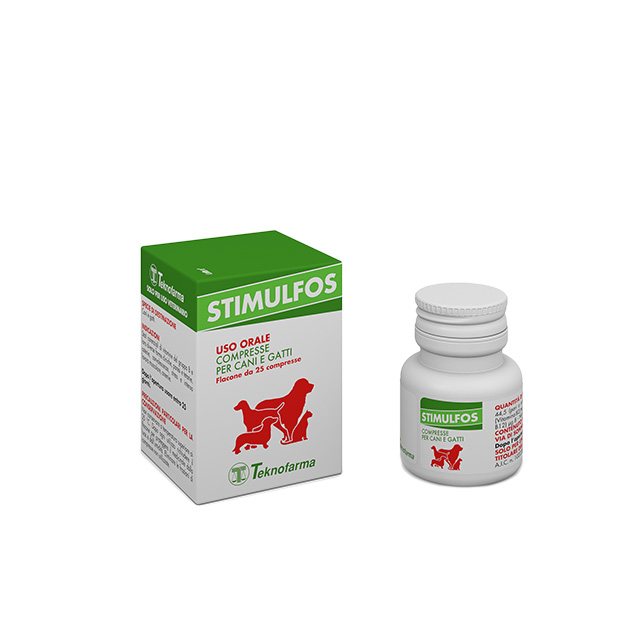
Although multivitamin medicines are freely available in pharmacies without a veterinary prescription, it is always best to ask your veterinary doctor for advice first.
As many multivitamins for dogs and cats are available on the market, your veterinarian, based on their experience and the patient’s clinical profile, can recommend the best product for each circumstance and provide important indications on dosage, frequency and duration of administration.