Antiparasitics for internal use
Intestinal parasites in dogs and cats: when and how to use internal antiparasitics
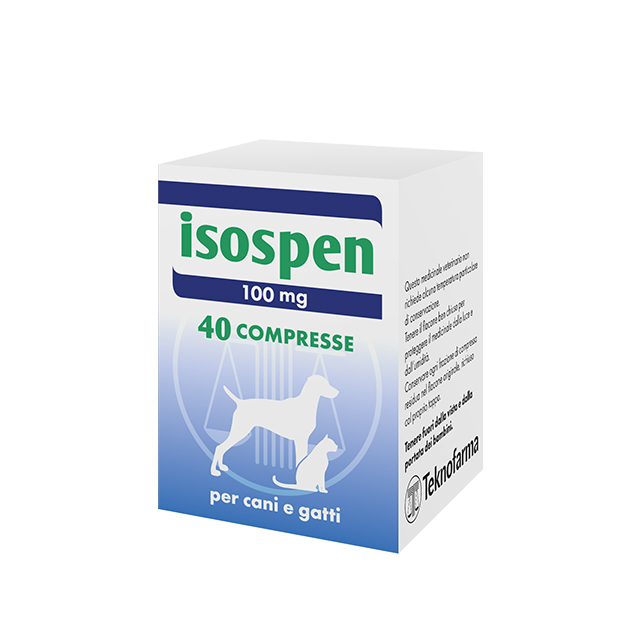
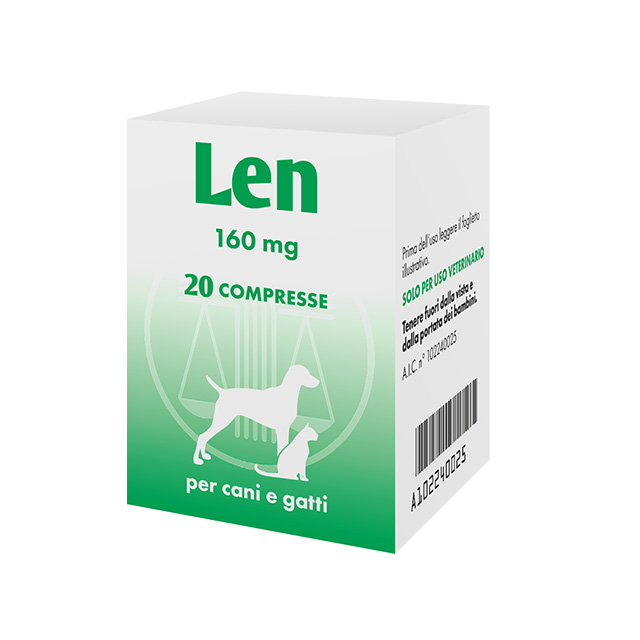
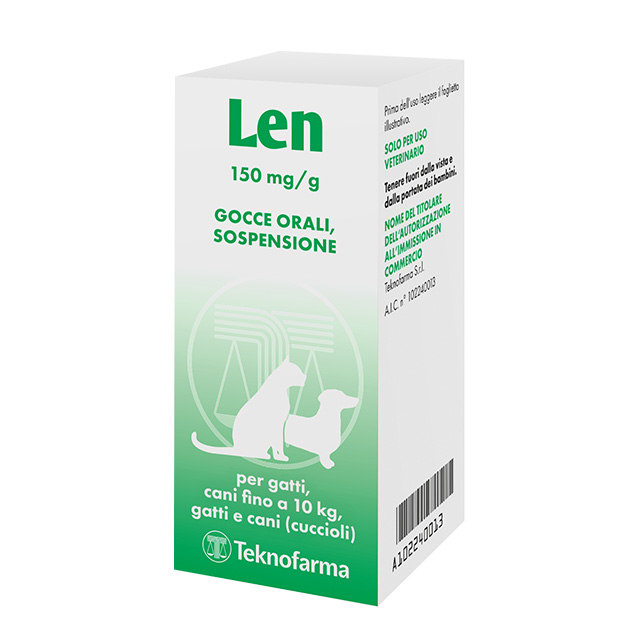
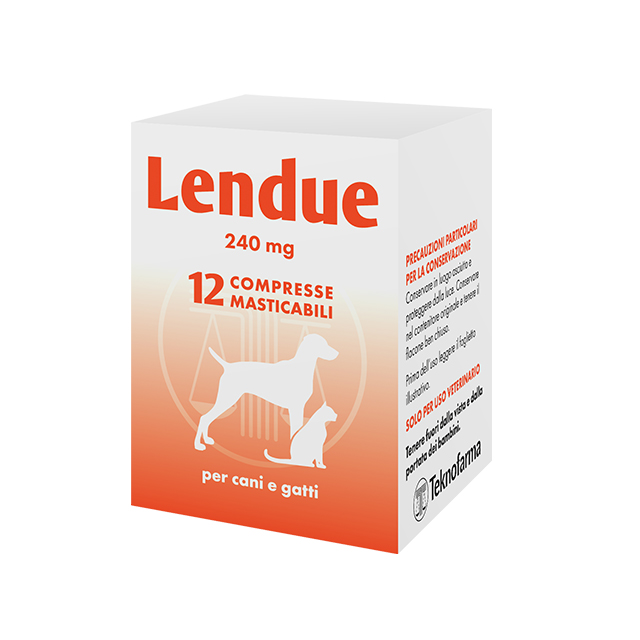
PRODUCTS
Dogs and cats are frequently affected by more or less severe forms of intestinal parasitosis that can also be transmitted to humans. By implementing appropriate measures, the risk of disease and parasite transmission between animals and humans can be minimised.
Intestinal parasites of dogs and cats include worms and protozoa.
Intestinal worms in dogs and cats
According to their shape, intestinal worms in dogs and cats can be split into roundworms or nematodes (ascarids, whipworms and hookworms) and tapeworms or cestodes (Echinococcus granulosus, Dipylidium caninum e Taenie spp.).
Roundworms (nematodes)
Ascarids
Whipworms
Whipworms are roundworms that can infest the dog’s large intestine. In order to eradicate them, it is necessary to use a dog deworming agent that is active against these parasites and to carry out repeated deworming sessions, as whipworms are strongly infesting and resistant.
Hookworms
Hookworms are roundworms found in the small intestine of dogs and cats, where they adhere to the mucous membrane of the host with their buccal apparatus, damaging its surface to obtain nutrients. In heavily infested environments, animals may require regular treatment with anthelmintic drugs that are active against these parasites.
Tapeworms (cestodes)
Echinococcus granulosus
Echinococcus granulosus is a small tapeworm localised in the dog’s small intestine. Although infested dogs very rarely show clinical signs, it is very important to control this parasite as it can cause a serious zoonosis (cystic hydatidosis).
Dipylidium caninum
Dipylidium caninum is a tapeworm of dogs and cats that has, as an intermediate host, fleas or chewing lice in dogs. Dogs and cats become infested through accidental ingestion of these infested insects. For this reason, proper prophylaxis against fleas and lice is necessary for prevention.
Taenia spp.
The genus Taenia spp. includes several species of tapeworm of cat and dog. Animals can become infested following ingestion of tissues or viscera of infested intermediate hosts (e.g. rodents, rabbits, sheep, goats).
For more information see the pages on roundworm and tapeworm infestations in dogs and cats.
How can intestinal worms be eliminated?
Treatment of roundworms
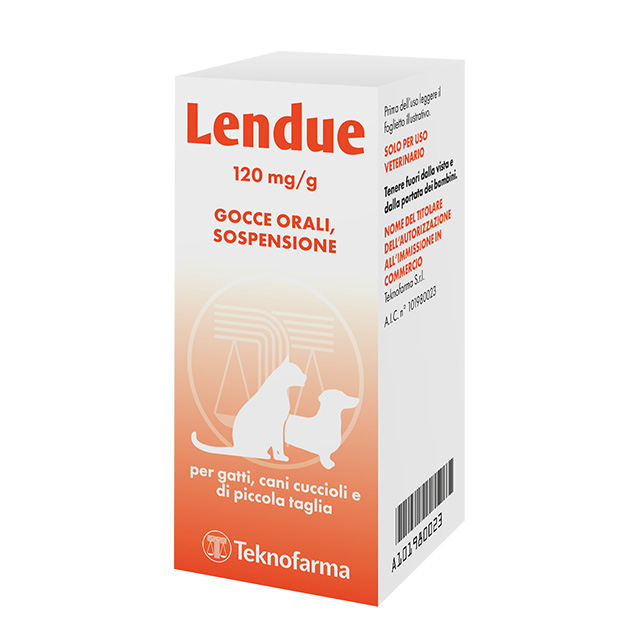
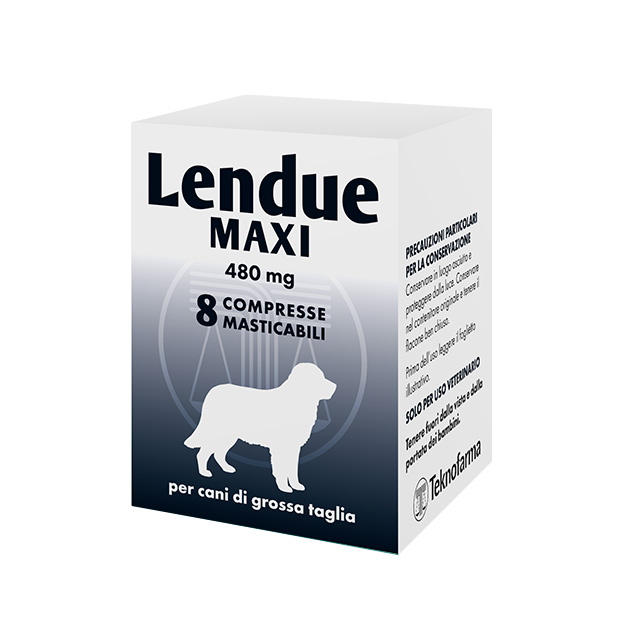
Several categories of active ingredients can be used to treat roundworms, often in combination with each other. The most widely used are benzimidazoles, which include Mebendazole, Fenbendazole, Flubendazole and probenzimidazoles, like Febantel.
The main mechanism of action of these active ingredients is binding to tubulin, a protein of the nematode cytoskeleton, which prevents subsequent polymerisation during microtubule assembly and thus cell division. They also inhibit fumarate reductase, an essential enzyme in metabolic processes used for energy production by parasites. Thanks to this dual mechanism of action, benzimidazole and probenzimidazole active ingredients cause the parasite’s death.

Mebendazole, in particular, eliminates nematodes in 2-3 days after administration, whereas the elimination of cestodes is generally slower. As it has a wide safety margin, Mebendazole rarely causes side effects when used correctly.
Another anthelmintic, often used in combination with other active ingredients, is Pyrantel, a pyrimidine derivative with nicotine-like and a cholinesterase-inhibiting activity, which causes the paralysis and death of the parasites.
Other active ingredients with anthelmintic activity against one or more roundworms are Emodepside, Milbemycin, Moxidectin, Piperazine and Selamectin.
Treatment of tapeworms
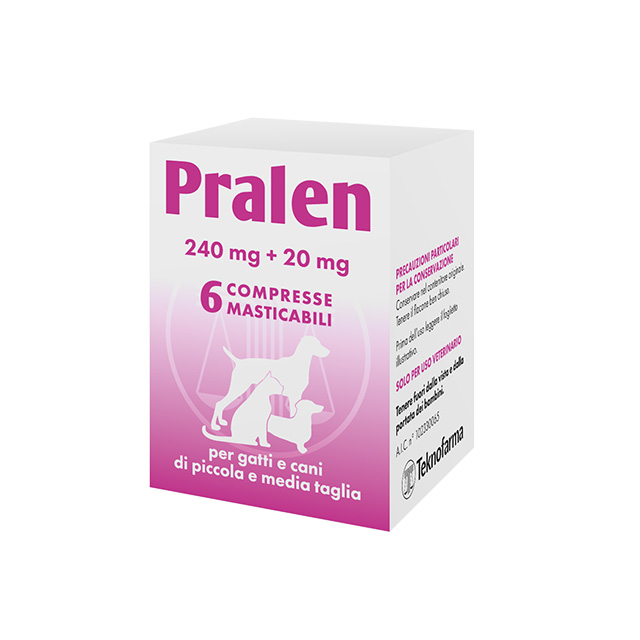
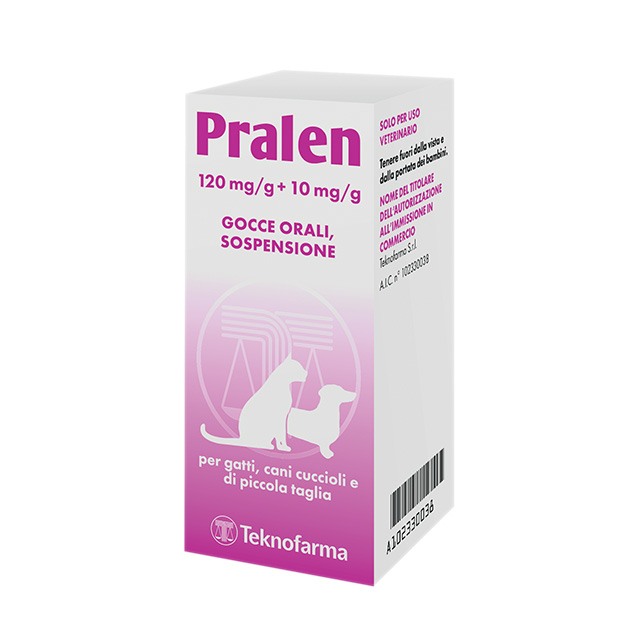
The most widely used active ingredient in Italy for the treatment of all tapeworms is Praziquantel.
Praziquantel acts by causing an alteration in the membrane permeability of the parasite resulting in generalised paralysis and death. Following oral administration, it is rapidly absorbed in the gastrointestinal tract and evenly distributed throughout the tissues.
Praziquantel also has a wide safety margin.
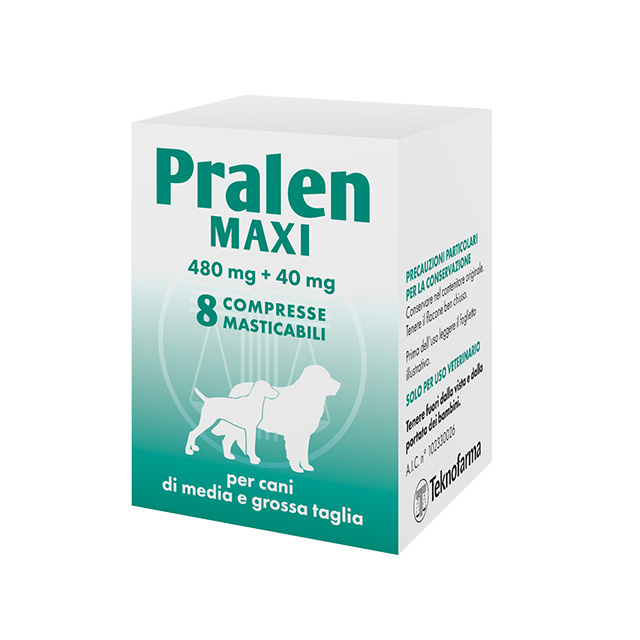
In anthelmintic drugs for dogs and cats Praziquantel is usually combined with an active ingredient against roundworms, such as Mebendazole. The combination of the two substances makes it possible to obtain a spectrum of action that virtually covers all nematodes and cestodes that parasitise the digestive system of dogs and cats.
Coccidiosis in dogs and cats
Coccidiosis in dogs and cats is a rather insidious intestinal disease caused by coccidia, microscopic protozoa that localise in the intestine, invading and destroying enterocytes.
For more information see the page on coccidiosis in dogs and cats.
Therapy against coccidia in dogs and cats can be carried out with various anticoccidial drugs for veterinary use.
These include Chlortetracycline, an antibiotic belonging to the tetracycline class with bacteriostatic as well as anticoccidial action.